
Principal Secretary for the Department of eGovernment in the Ministry of Information and Communications Technology (MoICT), Prosper Mopiwa, has described the Digital Malawi Acceleration Project (DMAP) as a critical intervention to rejuvenate the Government Wide Area Network (GWAN) and accelerate Malawi’s digital transformation agenda.
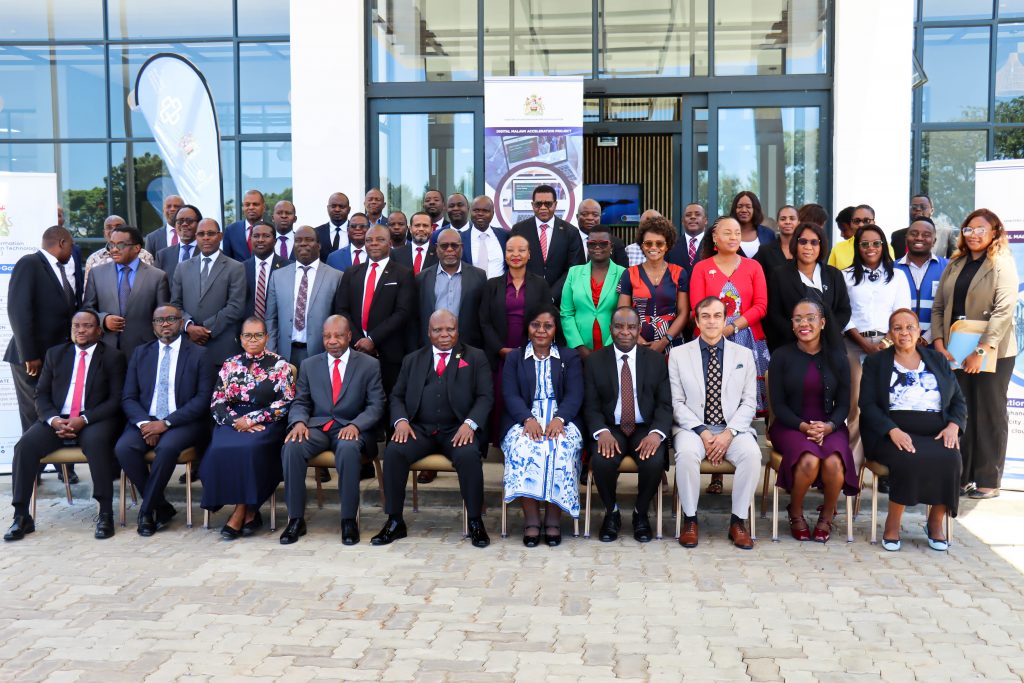
Mopiwa made the remarks yesterday during a High-Level Artificial Intelligence (AI) Training for Principal Secretaries in Salima, which the department convened in collaboration with the Public Private Partnership Commission (PPPC), with funding from DMAP.

He observed that over 9,000 government sites across the country remain unconnected to the Internet, largely due to ageing and obsolete GWAN infrastructure, which has constrained efficiency and limited the delivery of digital public services.
Mopiwa said DMAP is financing a comprehensive network assessment of GWAN, which will inform the redesign of the entire network architecture and the procurement of modern, high-performance equipment.
Mopiwa further outlined key DMAP components to enhance digital connectivity and strengthen digital public infrastructure nationwide.
He said: “Through DMAP, connectivity will be extended to over 500 public institutions across the country from Chitipa to Nsanje, including Likoma, and extend broadband access to more than 2,000 schools.
“The project will also expand telecommunications infrastructure in hard-to-reach areas through the installation of cellphone towers under the Universal Service Fund (USF) Tower Site Initiative.”
On citizen-centric systems, Mopiwa said the government, through DMAP, is developing the Bomalathu eServices Portal, a one-stop digital services platform that will enable citizens and businesses to conveniently access government services online, such as applications and payments for passports, national Identification cards, and driving licenses.
He then emphasized the importance of AI, saying it enhances service delivery, strengthens policy analysis, automates routine administrative tasks, improves fraud detection, optimizes resource allocation, and transforms citizen engagement
Chief Secretary to the Government, Justin Saidi, who presided over the training, stressed the importance of building institutional capacity and technical expertise as foundational pillars for meaningful and sustainable digital transformation.
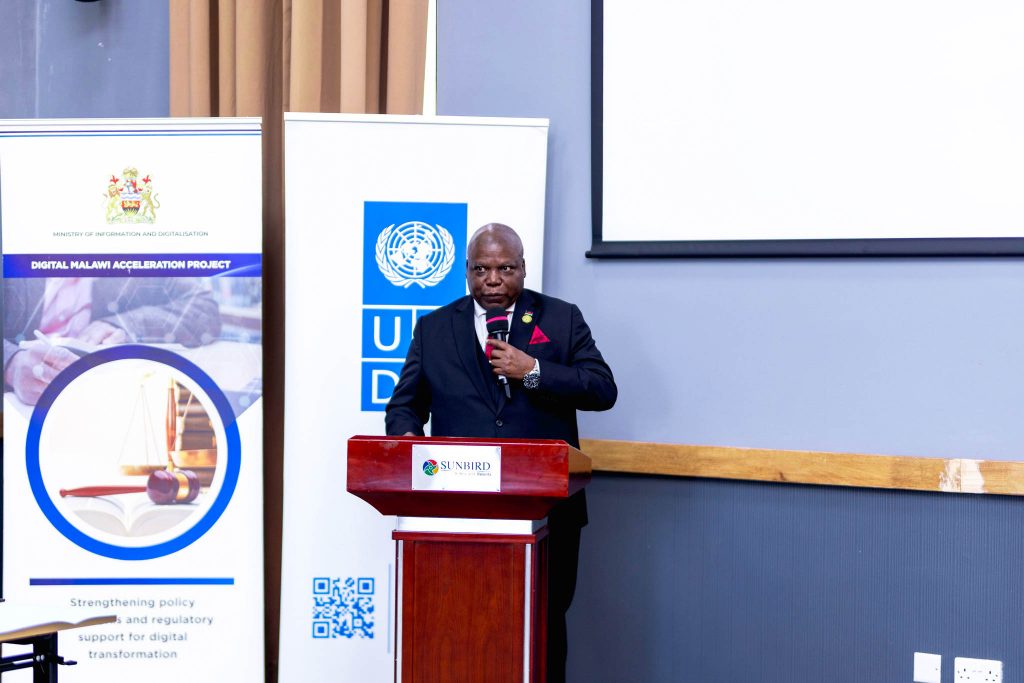
He appealed to ministries, departments, and agencies (MDAs) to collaboratively work with the Ministry of Information and Communications Technology to ensure a unified and seamless approach to digital transformation across government institutions.
“Our gathering today is, therefore, both timely and purposeful. It is a demonstration of our readiness to act swiftly and cohesively in implementing the Presidential directive.
“It also signals our collective commitment to embedding digital technologies across the public sector as a catalyst for efficiency, transparency, accountability, and improved service delivery to the people we serve,” he said.
He commended DMAP and its development partners for their financial and technical assistance in delivering the high-level AI training, noting that such strategic investments in leadership capacity are essential to positioning Malawi as a digitally enabled and innovation-driven economy.
As a lead implementing agency for DMAP, Chief Executive Officer of the Public Private Partnership Commission (PPPC), Patrick Kabambe, said the Commission, under the Digital Malawi Acceleration Project, aims to rally behind the government’s drive toward the modernization of critical digital infrastructure, including the Government Wide Area Network. He explained that the high-level AI training for Principal Secretaries directly advances DMAP’s broader mandate of strengthening digital public infrastructure, building institutional capacity, and ensuring that investments in connectivity result in efficient, secure, and citizen-centric services.
“Our collaboration with the Ministry of Information and Communications Technology underscores a shared commitment to empowering the public sector with the knowledge and strategic foresight required to champion digital reforms. By coupling infrastructure revitalization with targeted capacity development, I believe we are fast-tracking sustainable digital transformation in Malawi,” he said.