
Principal Secretary for the Department of eGovernment, Prosper Mopiwa, urged the private sector to support the Government’s effort to expand digital infrastructure and improve connectivity across Malawi.
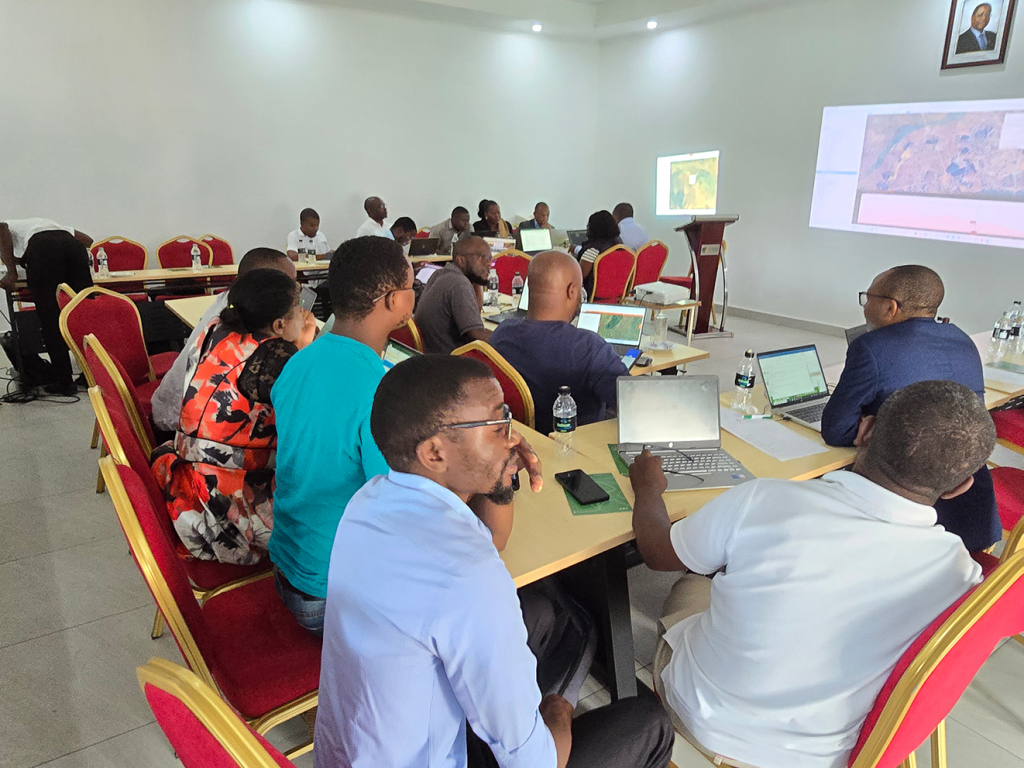
He made the call yesterday during the opening of a 5-day Technical Working Session for the Universal Service Fund (USF) Tower Site Initiative. The session is being conducted by the Department in collaboration with the Public Private Partnership Commission (PPPC) and the Malawi Communications Regulatory Authority (MACRA).
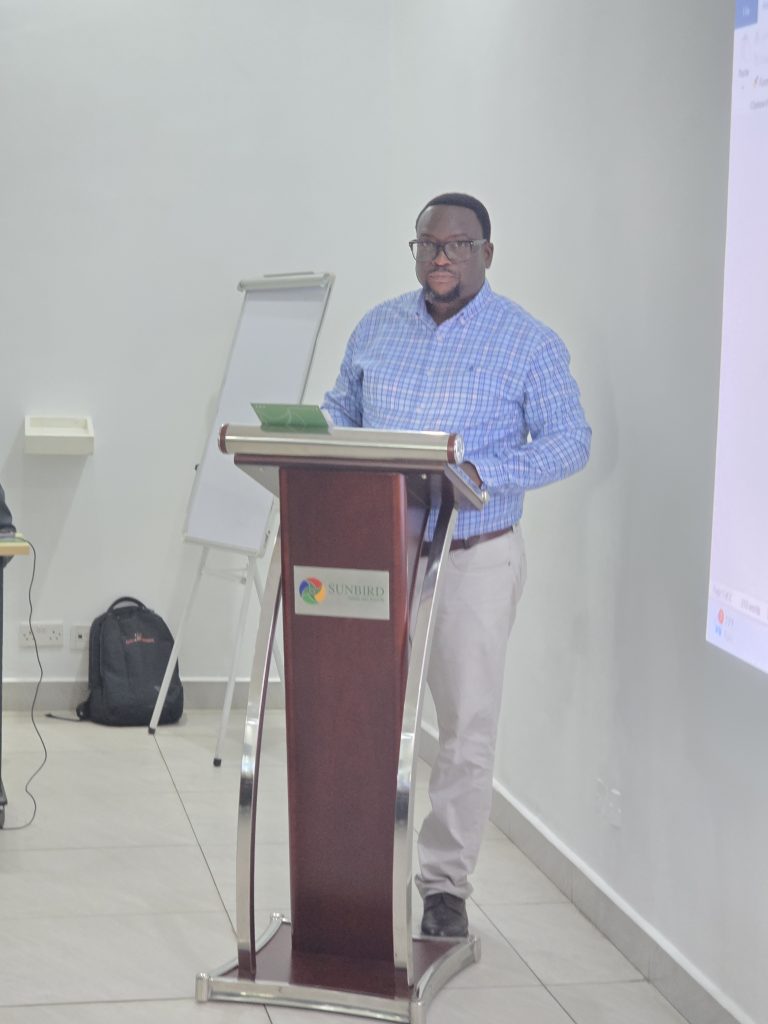
Mopiwa emphasized that strong collaboration between government and private sector players is critical to achieving Malawi’s long-term development blueprint, Malawi 2063, which prioritizes digital transformation as a catalyst for economic growth and improved public service delivery.
The Technical Working Session is aimed at validating the 97 proposed tower sites under the initiative captured during the technical assessment exercise it conducted across the country last year.
The validation exercise is expected to ensure that the proposed sites are technically feasible, strategically located, and aligned with existing infrastructure to maximize service coverage
The workshop will also come up with a modernized Government Wide Area Network (GWAN) in readiness for a major upgrade of the Core Network to accommodate the ever-increasing data demand across all MDAs.
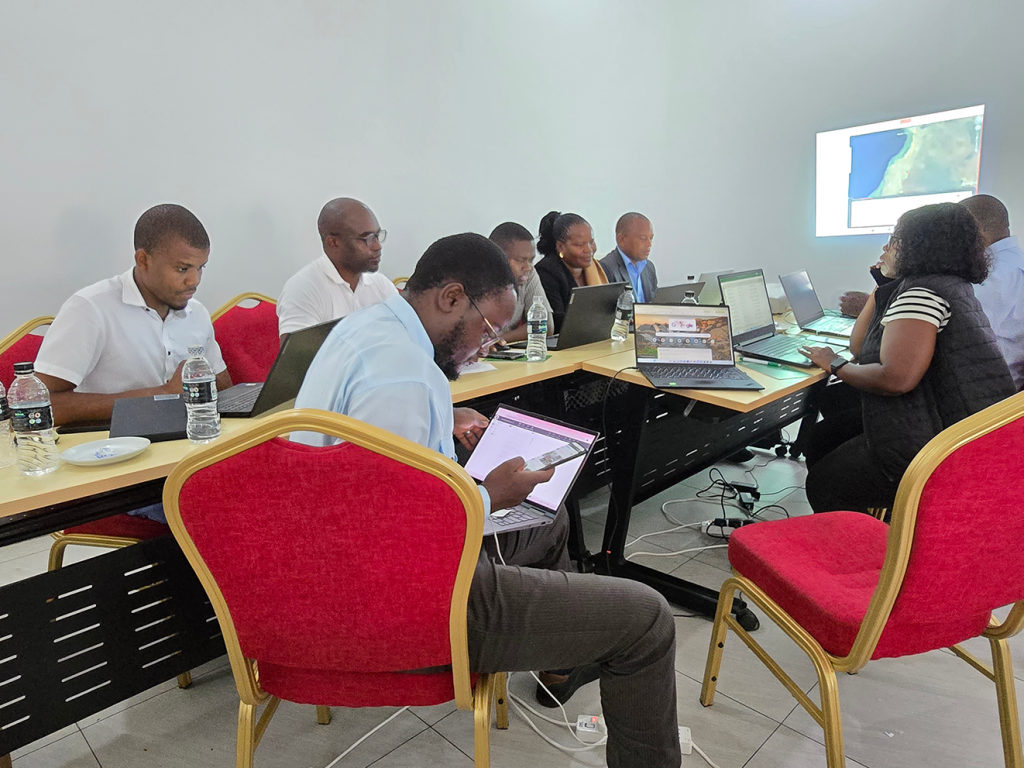
Key private sector participants in the session include Mobile Network Operators such as Airtel Malawi and Telekom Networks Malawi (TNM), as well as telecommunications infrastructure provider Helios Towers.
Their participation is crucial in harmonizing the proposed tower locations with existing network infrastructure, determining optimal tower specifications such as height and capacity, and finalizing the implementation plan.
MACRA is leading the implementation of the USF Tower Site Initiative with support from the World Bank-funded Digital Malawi Acceleration Project (DMAP).
Once completed, the construction of the 97 telecommunications towers is expected to significantly expand network coverage in underserved areas across the country.